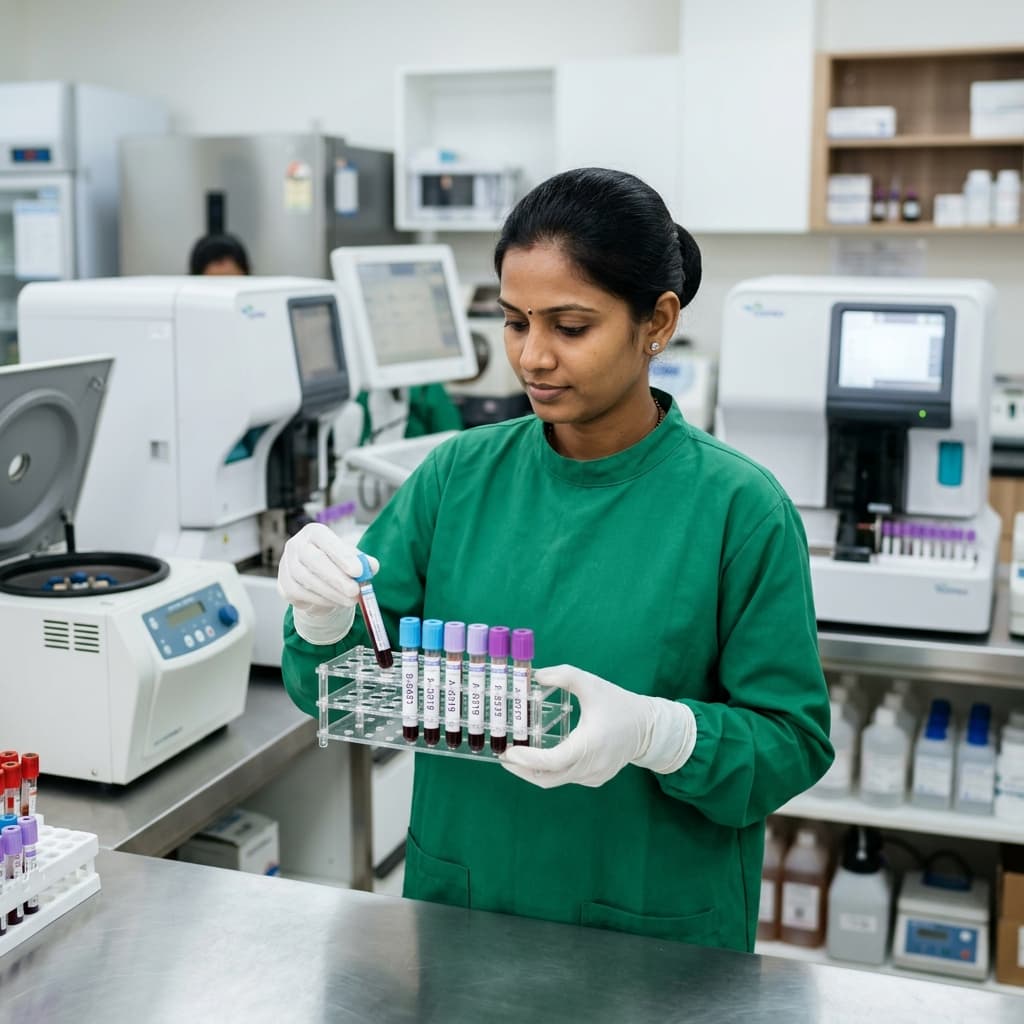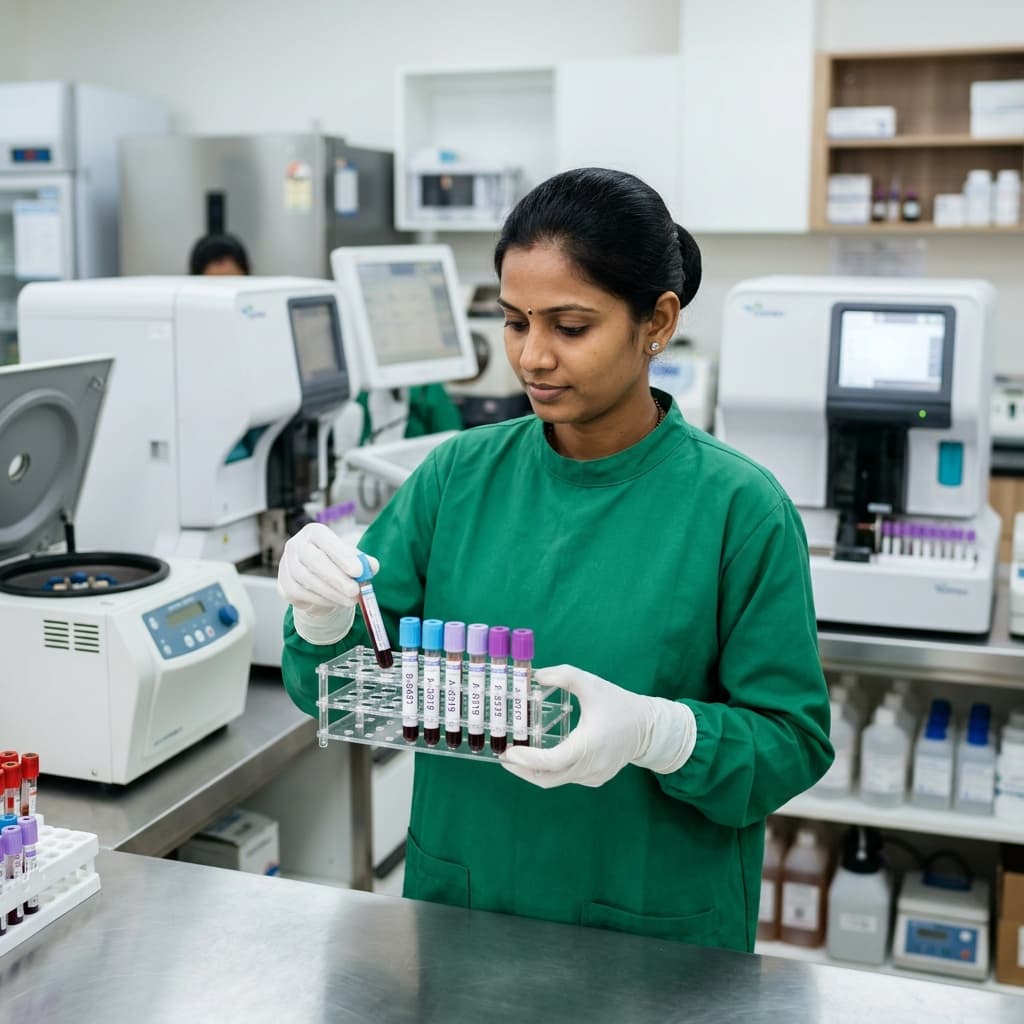
Blood Tests
Blood tests help doctors check for certain diseases and conditions. They also help check the function of your organs and show how well treatments are working. Our laboratory performs a vast array of blood panels, from Complete Blood Counts (CBC) to advanced biochemical profiles.
Who Requires This
- Individuals undergoing annual wellness evaluations
- Patients showing signs of infection, anemia, or systemic inflammation
- Patients managing chronic conditions like diabetes or high blood pressure
- Individuals monitoring organ function (liver, kidney, thyroid)
Clinical Benefits
- Provides a comprehensive blueprint of internal biochemical health
- Detects underlying health conditions long before clinical symptoms appear
- Minimally invasive diagnostic method yielding high-volume physiological data
Preparation Guidelines
- Depending on the test, you may need to fast (no food or drink except water) for 8 to 12 hours. Common fasting tests include Glucose and Lipid Panels.
- Stay hydrated by drinking plenty of water, as it makes veins easier to locate.
- Consult your doctor about taking your regular medications before the blood draw.
Procedure Walkthrough
A phlebotomist will locate a suitable vein, usually on the inside of your elbow.
A tourniquet is tied around your upper arm to fill the veins with blood.
The area is cleaned with antiseptic, and a sterile needle is inserted to draw blood into vacuum tubes.
The needle is removed, pressure is applied to the site, and a adhesive bandage is placed.
Common Questions
Why must I fast before some blood tests?
Nutrients and ingredients in food are absorbed into your bloodstream. This can temporarily alter levels of blood sugar, fats, and certain enzymes, leading to inaccurate test results.
Schedule Your Appointment
Get in touch with our clinical receptionists via WhatsApp or phone registry to schedule your scan.
Appointment hours are subject to slot availability. Free physician reference advice available on request.
Related Diagnostic Services
Explore other professional diagnostic scans and specialized lab test capabilities.
Urine Analysis
Physical, chemical, and microscopic examination of urine to detect renal disorders and systemic diseases.
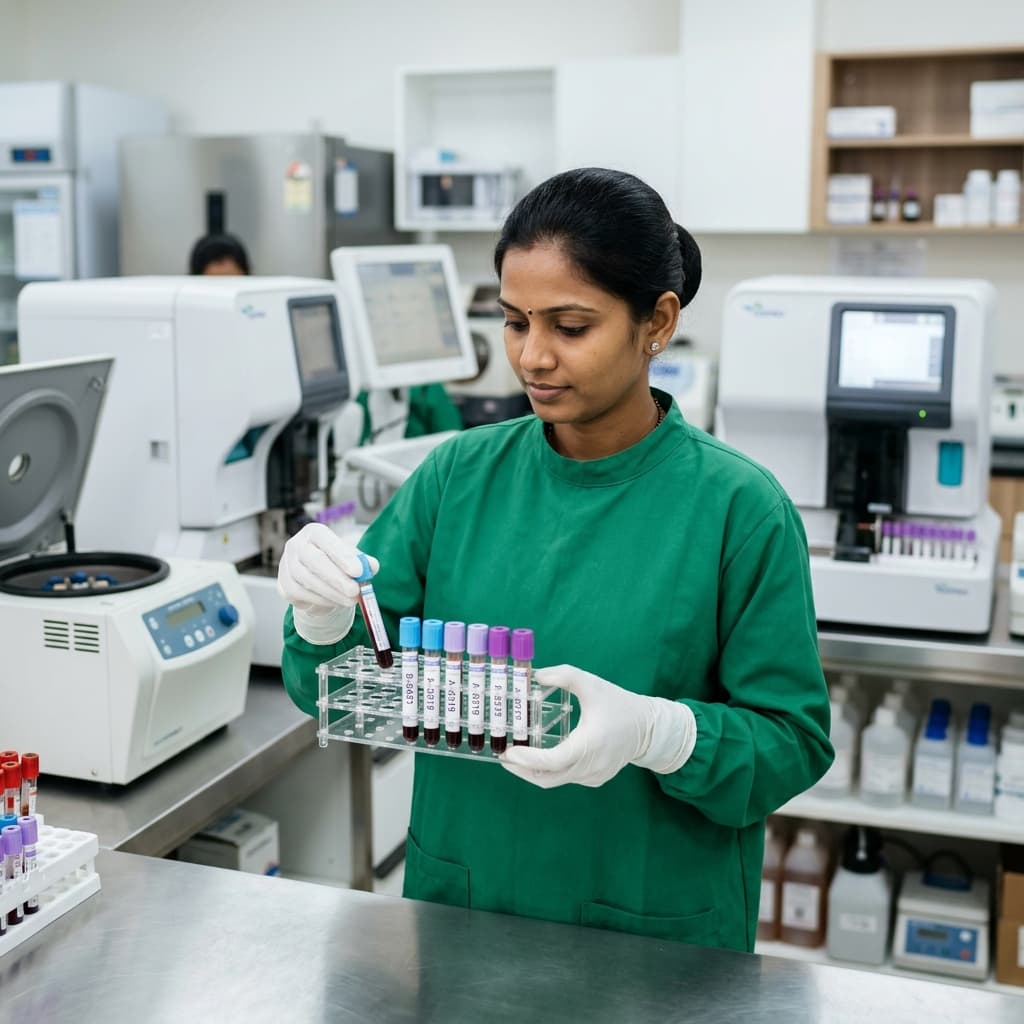
Hormone Testing
Targeted endocrine profiling including thyroid, reproductive, and metabolic hormone assays.
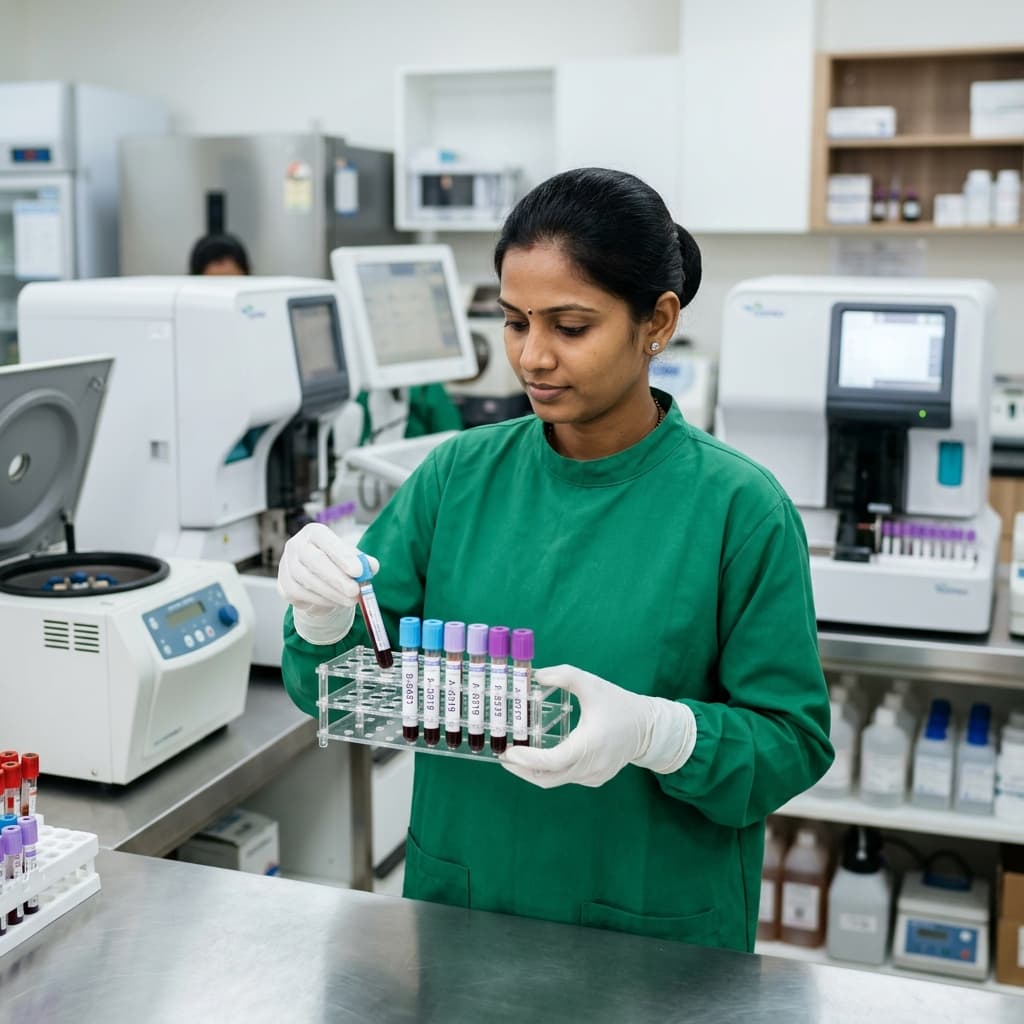
Cholesterol Screening
Complete lipid profiling measuring LDL, HDL, Triglycerides, and Total Cholesterol to evaluate cardiac risk.