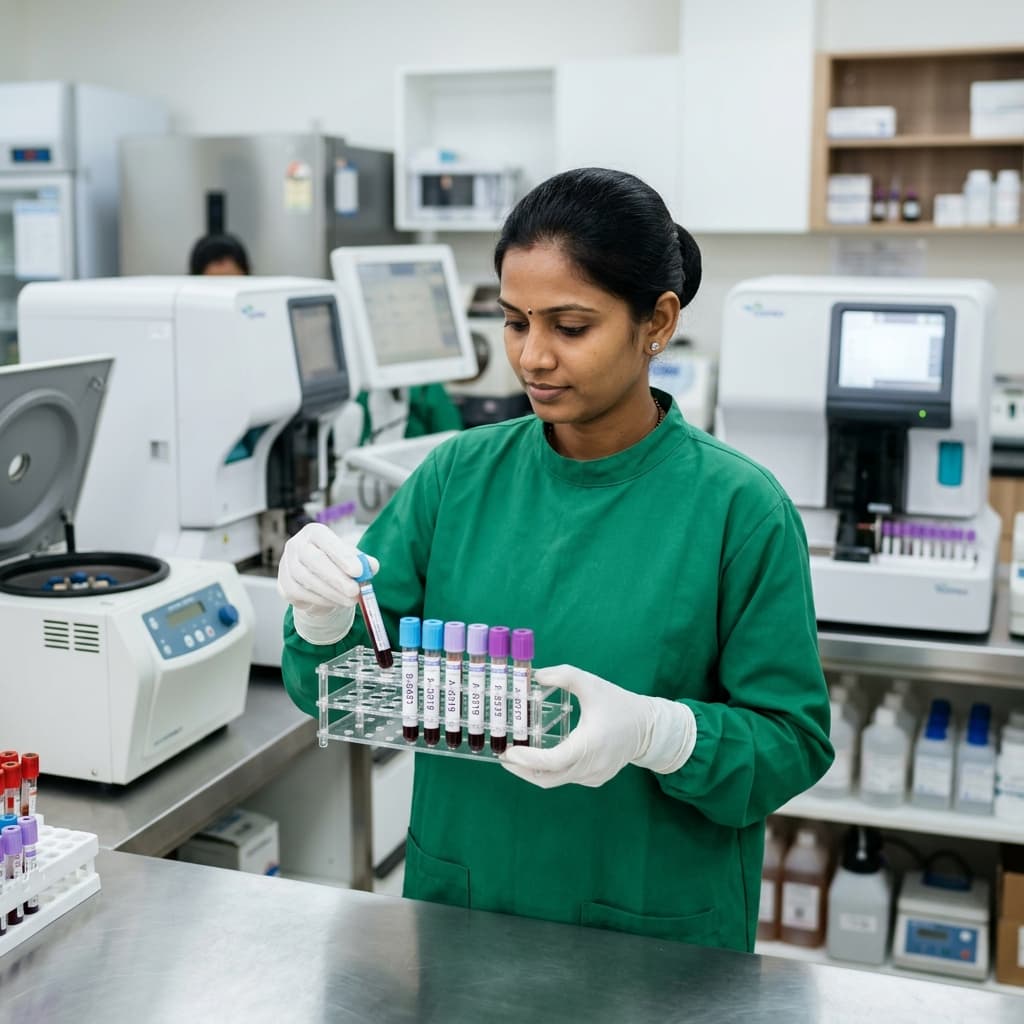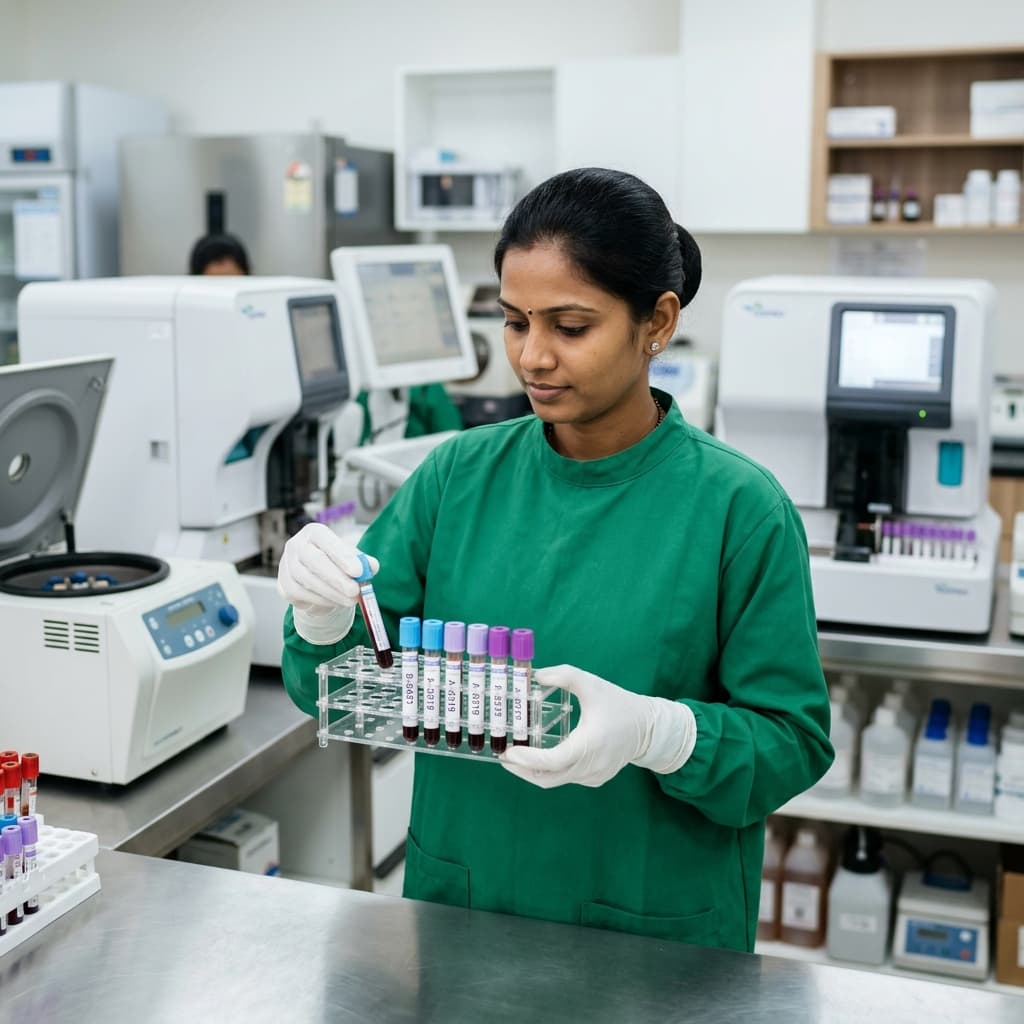
Urine Analysis
Urinalysis is a simple test that looks at a small sample of your urine. It is used to detect and manage a wide range of disorders, such as urinary tract infections (UTIs), kidney disease, and diabetes. It involves checking the appearance, concentration, and content of the urine.
Who Requires This
- Patients with symptoms of a urinary tract infection (painful urination, frequent urge, cloudy urine)
- Individuals undergoing routine pregnancy screening
- Patients being monitored for kidney disease or kidney stones
- Screening for suspected diabetes (glucose in urine)
Clinical Benefits
- Completely non-invasive sample collection
- Rapid detection of metabolic changes, renal filtration issues, and bacterial infections
- Essential baseline tool for comprehensive physical evaluations
Preparation Guidelines
- Ensure the genital area is cleaned before collecting the sample to avoid external contamination.
- Collect a "midstream" sample: begin urinating, stop, position the container, and collect the middle portion.
Procedure Walkthrough
You will be given a sterile cup at the lab.
Collect the midstream sample in the restroom and secure the container lid tightly.
Hand the container back to our collection desk for immediate processing.
Common Questions
What is a "midstream" urine sample?
A midstream sample means you don't collect the first or last part of urine that comes out. This reduces the risk of the sample being contaminated with bacteria from your skin or urethra.
Schedule Your Appointment
Get in touch with our clinical receptionists via WhatsApp or phone registry to schedule your scan.
Appointment hours are subject to slot availability. Free physician reference advice available on request.
Related Diagnostic Services
Explore other professional diagnostic scans and specialized lab test capabilities.
Blood Tests
Comprehensive haematology and biochemistry profiling from sample extraction to detailed analysis.
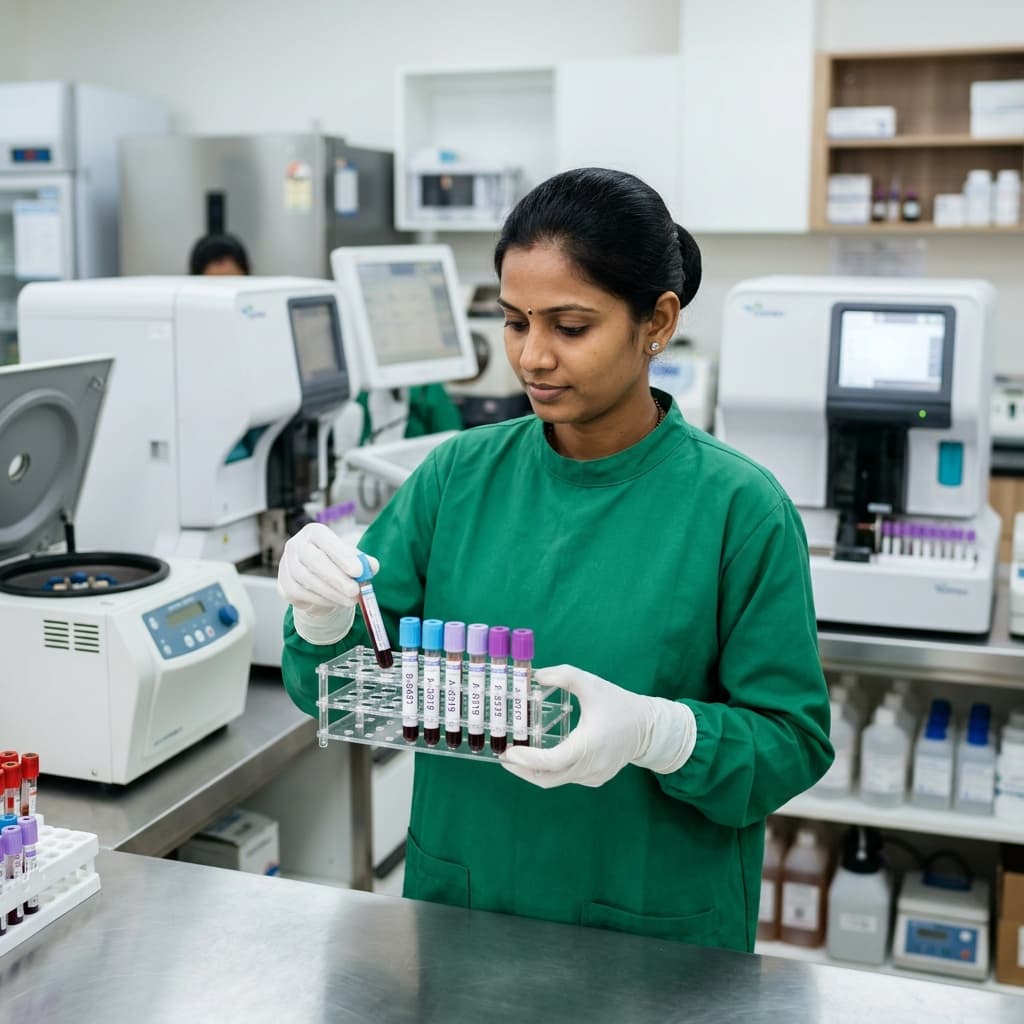
Hormone Testing
Targeted endocrine profiling including thyroid, reproductive, and metabolic hormone assays.
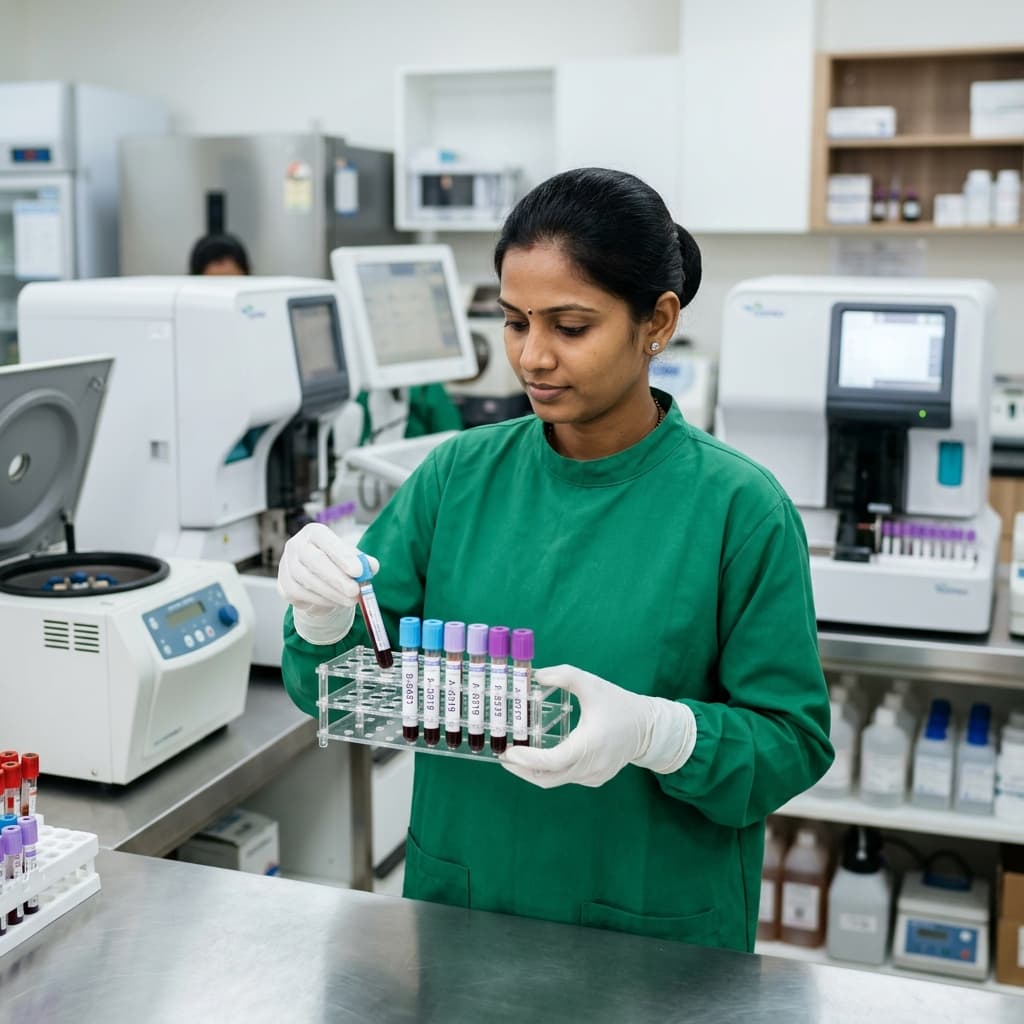
Cholesterol Screening
Complete lipid profiling measuring LDL, HDL, Triglycerides, and Total Cholesterol to evaluate cardiac risk.