EEG (Electroencephalogram)
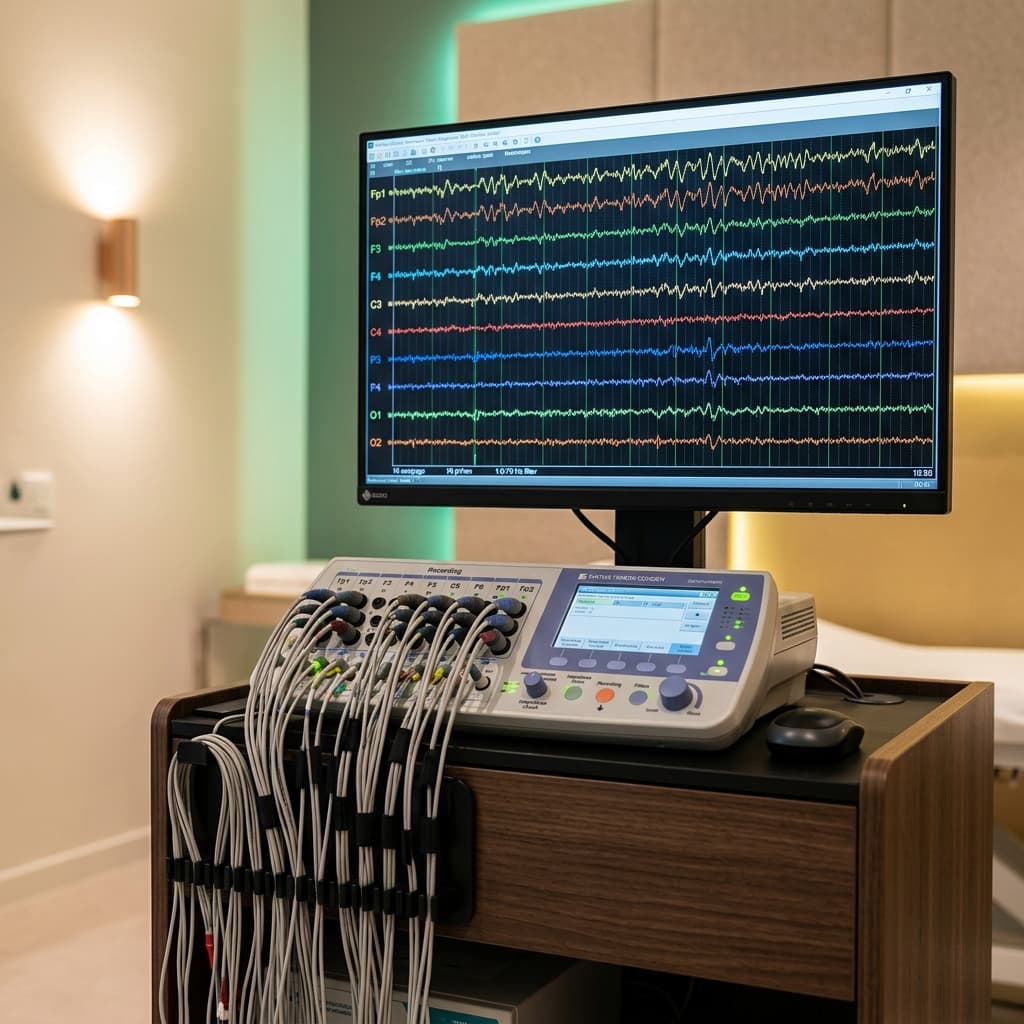
An Electroencephalogram (EEG) is a non-invasive diagnostic test that detects and records electrical activity in your brain using small, metal discs (electrodes) attached to your scalp. Brain cells communicate via electrical impulses and are active all the time, even during sleep. This activity shows up as wavy lines on an EEG recording, allowing neurologists to analyze brainwave patterns, identify irregularities, and diagnose epilepsy, sleep disorders, and other encephalopathic conditions.
Who Requires This
- Patients experiencing unexplained seizures, blackouts, or convulsions
- Individuals being evaluated for epilepsy or brain wave irregularities
- Patients with persistent sleep disturbances, sleep apnea, or narcolepsy
- Individuals recovering from head injuries or experiencing confusion, memory loss, or cognitive decline
Clinical Benefits
- Non-invasive and completely painless brain wave diagnostic method
- Highly sensitive in detecting epileptic seizures and sub-clinical seizure patterns
- Provides crucial baseline diagnostics for memory disorders, sleep apnea, and confusion
- Helps physicians monitor and adjust treatments for neurological conditions
Preparation Guidelines
- Wash your hair the night before or the morning of the test. Do not use hair oils, sprays, gels, or conditioners, as they make it difficult for the electrodes to stick.
- Avoid consuming caffeine (coffee, tea, cola, or chocolate) for at least 8 to 12 hours before the test.
- Unless instructed otherwise by your doctor, take your usual medications as scheduled. Provide a list of all medications you take to our technician.
Procedure Walkthrough
You will sit in a comfortable reclining chair or lie on a bed in our diagnostic room.
A technician will measure your head and mark spots on your scalp where electrodes will be placed.
Electrodes are attached to your scalp using a special adhesive paste. The electrodes are connected by wires to the EEG machine.
During the recording, you will be asked to relax, close your eyes, and perform simple tasks like breathing deeply (hyperventilation) or looking at a flashing light.
The recording is completely painless, silent, and typically takes 45 to 60 minutes.
Common Questions
Does an EEG shock my brain or hurt?
No, the EEG only records electrical activity coming from your brain. It does not send any electricity or shocks into your body, and it is completely painless.
How long does it take to get EEG results?
The raw EEG recording is analyzed by our senior consultant neurologist. Verified digital reports are compiled and available within 24 hours.
Schedule Your Appointment
Get in touch with our clinical receptionists via WhatsApp or phone registry to schedule your scan.
Appointment hours are subject to slot availability. Free physician reference advice available on request.
Related Diagnostic Services
Explore other professional diagnostic scans and specialized lab test capabilities.
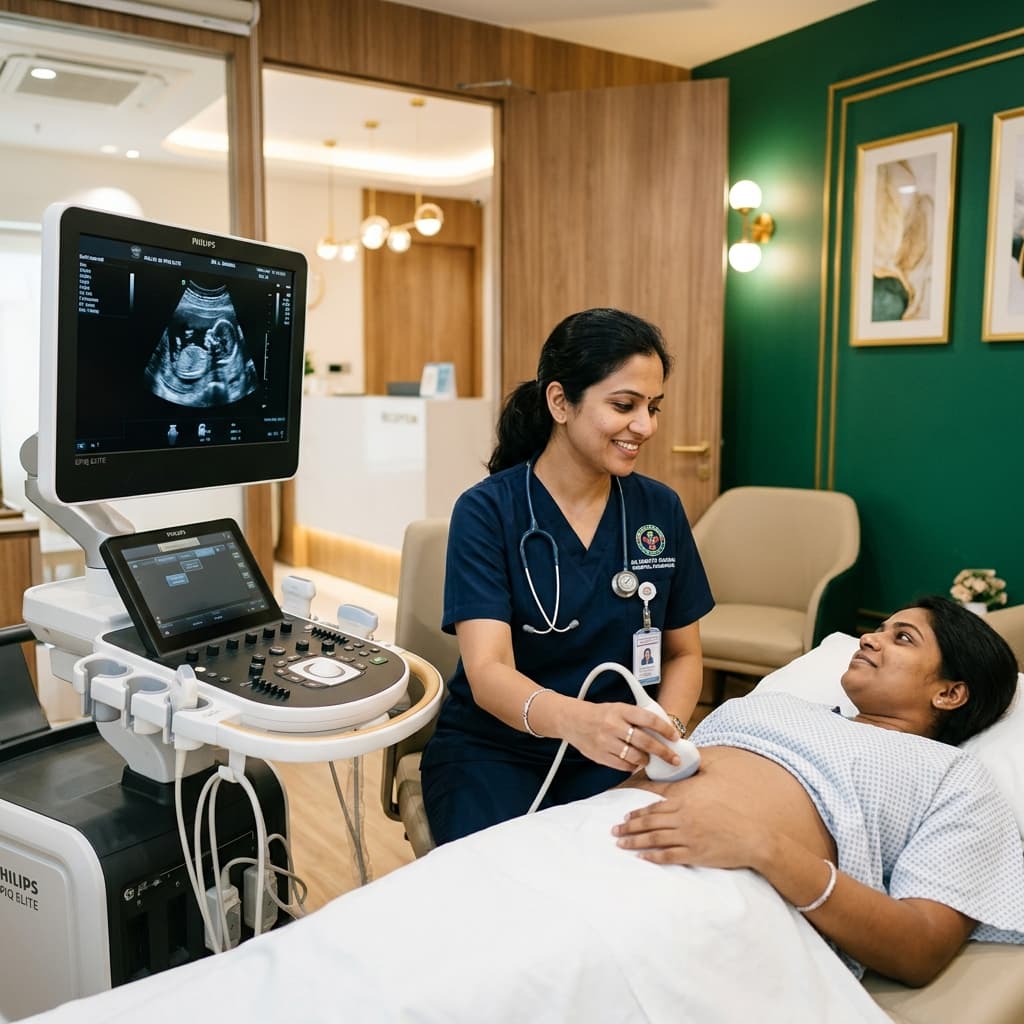
Ultrasound Scan
Non-invasive high-frequency sound wave diagnostic mapping internal organs, abdominal structures, and obstetric growth.
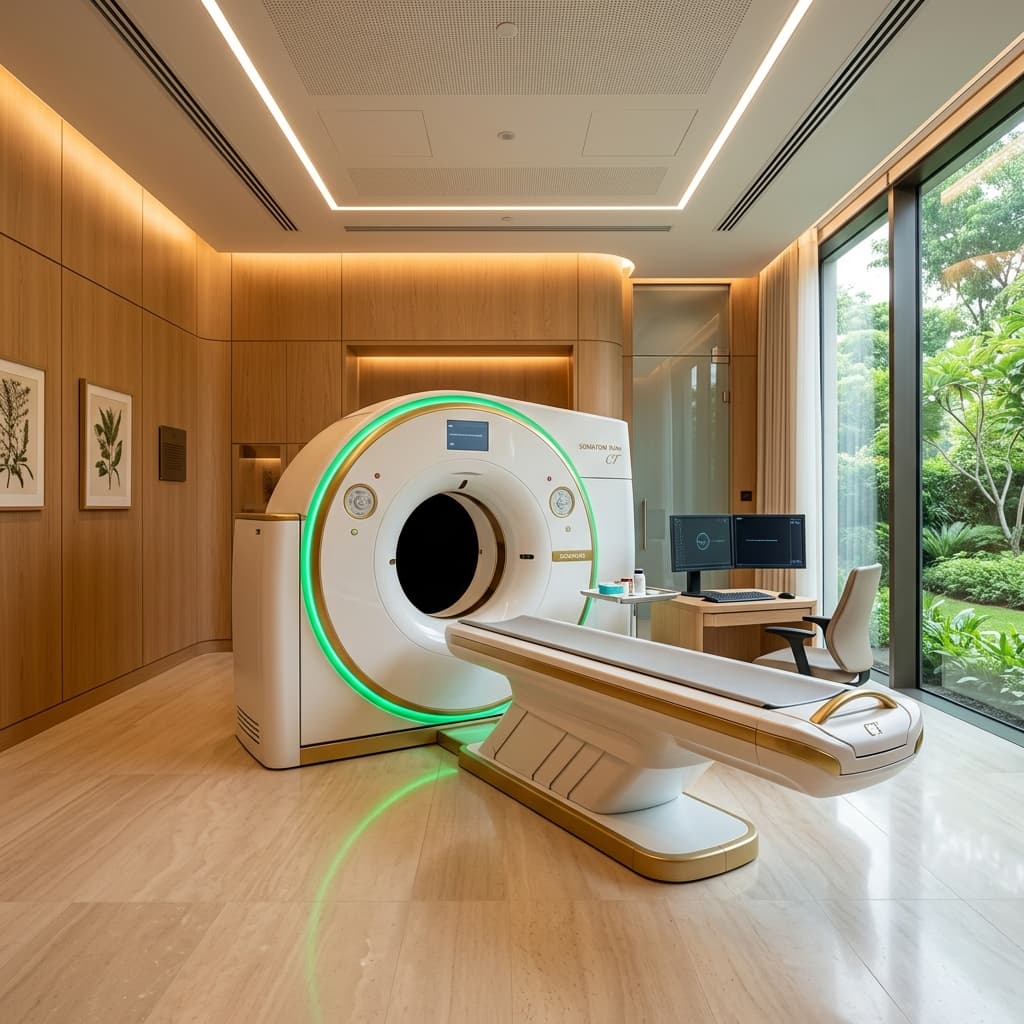
CT Scan
Advanced multi-slice computed tomography offering high-resolution cross-sectional details of internal body structures.
Digital X-Ray
Low-dose, high-speed digital radiography providing immediate, crystal-clear skeletal and respiratory imaging.