Hormone Testing
Hormone testing evaluates the endocrine system, measuring chemical messengers in the blood. These tests help diagnose thyroid conditions, fertility issues, adrenal disorders, and metabolic irregularities by measuring levels of hormones like TSH, T3, T4, insulin, cortisol, estrogen, progesterone, and testosterone.
Who Requires This
- Individuals suffering from unexplained weight gain/loss, fatigue, or mood swings
- Women experiencing irregular menstrual cycles or fertility challenges
- Men experiencing symptoms of low energy or muscle loss
- Individuals undergoing monitoring for thyroid disorders
Clinical Benefits
- Pinpoints chemical imbalances responsible for mood, energy, and weight fluctuations
- Guides personalized hormone replacement therapy or thyroid management plans
- Essential diagnostic tool for fertility and family planning support
Preparation Guidelines
- Some hormone levels fluctuate significantly throughout the day. Cortisol is best drawn in the morning.
- For female reproductive hormones, testing may need to be timed to specific days of the menstrual cycle.
- Certain biotin supplements can interfere with hormone assay results; consult your doctor about pausing them.
Procedure Walkthrough
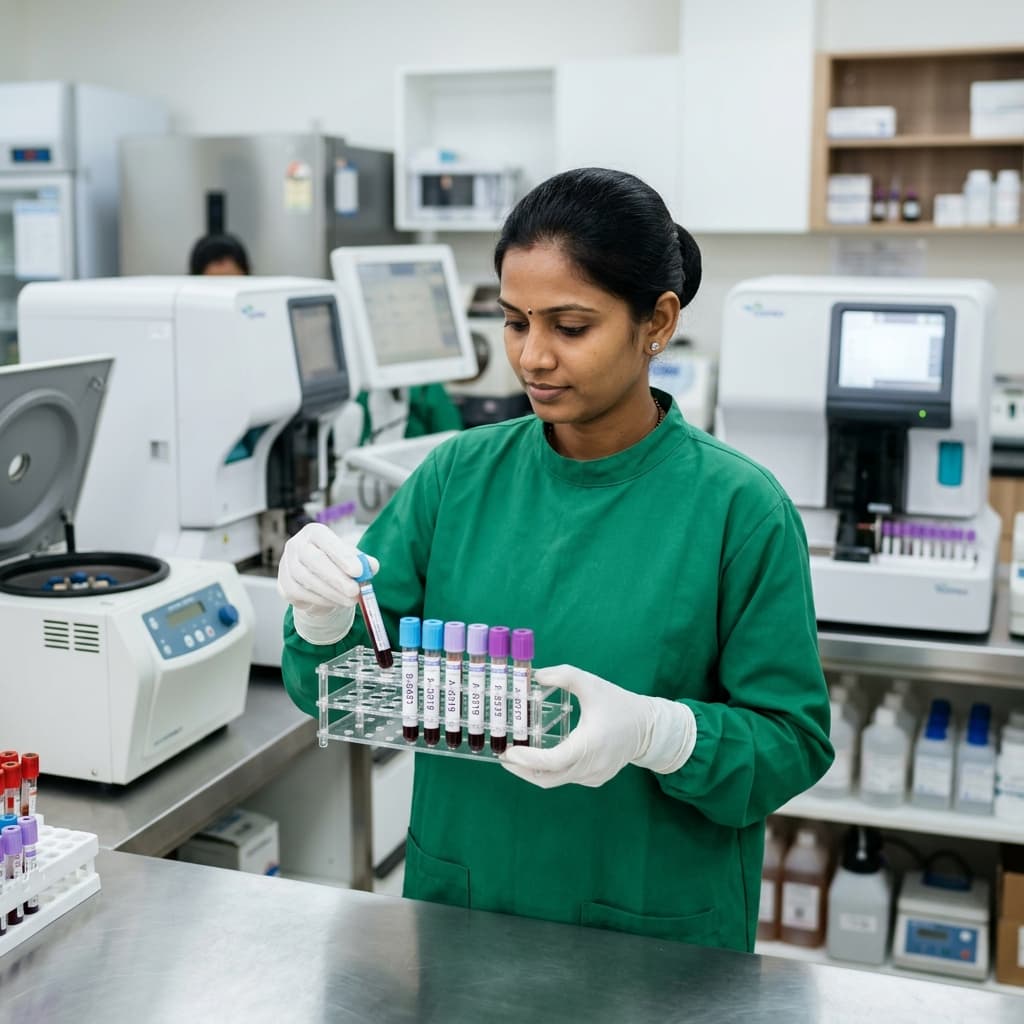
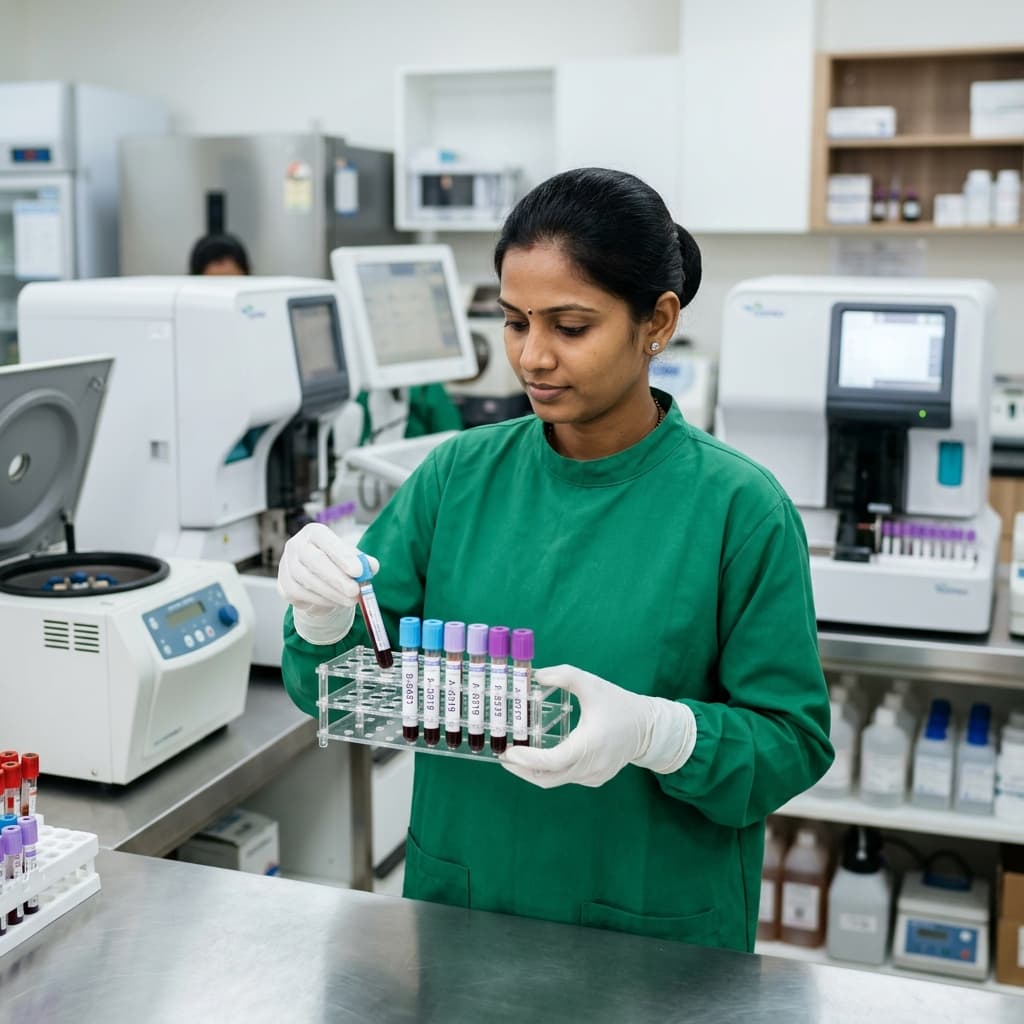
The test is performed using a standard venous blood draw, usually from your arm.
The sample is sent to our laboratory for precise immunoassay analysis.
Common Questions
Does the time of day affect my hormone test?
Yes, many hormones are diurnal, meaning they rise and fall in a 24-hour cycle. Your doctor or our lab will advise you on the optimal time of day to have your blood drawn.
Schedule Your Appointment
Get in touch with our clinical receptionists via WhatsApp or phone registry to schedule your scan.
Appointment hours are subject to slot availability. Free physician reference advice available on request.
Related Diagnostic Services
Explore other professional diagnostic scans and specialized lab test capabilities.
Blood Tests
Comprehensive haematology and biochemistry profiling from sample extraction to detailed analysis.
Urine Analysis
Physical, chemical, and microscopic examination of urine to detect renal disorders and systemic diseases.
Cholesterol Screening
Complete lipid profiling measuring LDL, HDL, Triglycerides, and Total Cholesterol to evaluate cardiac risk.